The Global Affiliate with a Russian Accent - From the CIS to the World
MAC 2026 Yerevan - Back in the 2000s, when traffic arbitrage chats were buzzing with the first schemes and hacks, few people imagined billion-dollar turnovers or international deals. Forums, grey-market verticals, early iGaming projects — this was an experimental playground where a performance marketing school was born, now recognized worldwide.
It was in the Russian-speaking segment that many of the mechanics now used on every continent were first honed. The CIS market was a beast: unstable infrastructure, banking restrictions, advertising bans, and in places — total chaos. These harsh conditions forged one defining trait: flexibility and aggressive optimization.
This article explores how Russian-speaking teams became a global source of expertise, why their approach differs from the West, and why conferences like MAC in Yerevan are now pivotal to the industry.
MAC 2026 Yerevan - Numbers, Tech, and Testing
From the start, Russian-speaking teams relied on data. Building proprietary trackers, anti-detect solutions, automating processes, scouting and testing new channels — this wasn’t just a strategy, it was practically DNA.
According to AffiliateFix, 70% of top-performing arbitrage teams operating globally have Russian-speaking roots.
“Part of the CIS expertise comes from navigating tough conditions with different sources, payments, and legal nuances. But the technical school is strong: these teams dig deep, find funnels and approaches that scale internationally,” notes Affbuddha.
Dmitry Klyukvin, Director of Affiliate Services at Admitad Group, echoes this:
“Affiliates in the CIS grew up under geopolitical and regulatory instability. That forced the market to become self-reliant, building its own infrastructure. Combine that with strong technical skills and a motivation to seek new revenue streams, and you get highly specialized experts. Ingenuity and the ability to find unconventional solutions in constrained conditions gave this expertise its depth.”
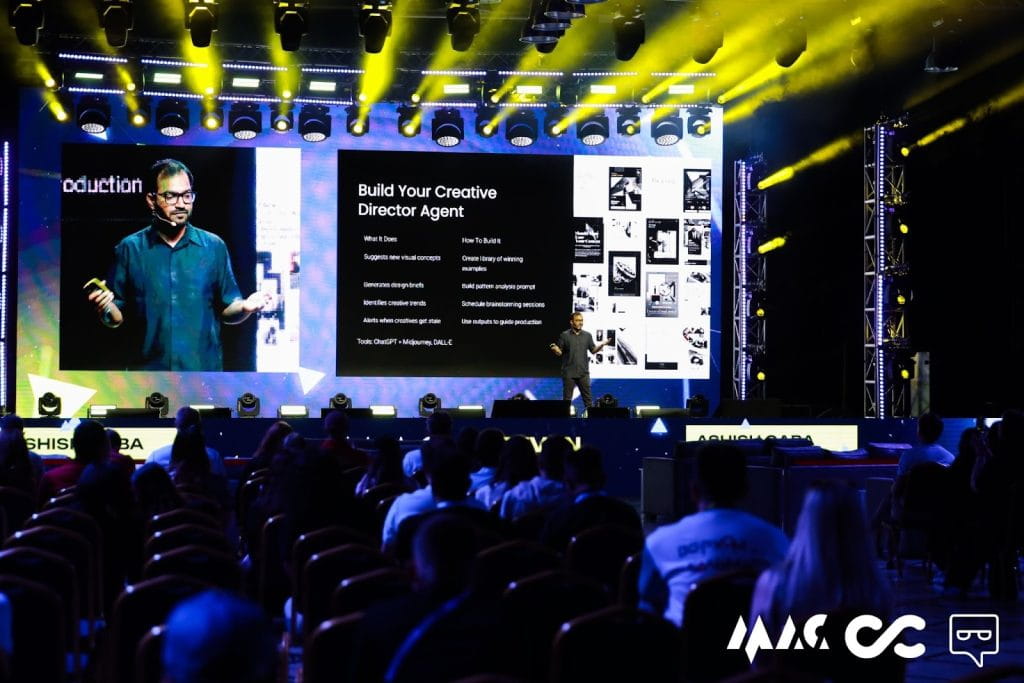
Ashish Gaba adds:
“The CIS region has produced some of the sharpest minds in affiliate marketing, and it is not by accident. Growing up in environments with fewer resources forces creativity and technical depth. The CIS community learned to move fast, test aggressively, and scale what works — all qualities that define top-tier affiliate expertise globally.”
Behind the Numbers are Real Stories:
- Advmaker (2008–2014) — one of the first Russian-language ad networks, scaled traffic for iGaming and digital clients. By 2010, it was in the global top 1000 websites, reaching 100M+ users and generating ~3B monthly impressions. By 2013, it had driven 4.2M players for 20 key clients; by 2014, the goal was 6M.
- Admitad (founded 2010) — an IT ecosystem providing marketing, affiliate, and financial tools for monetization and ad management. In recent years, it has led rankings and won international CPA awards, including MAC Awards. Its affiliate network includes 35,000+ partners and 2,000 advertisers across the CIS and beyond.
Behind these figures is a systematic engineering culture.
Entrepreneurial Model Over Corporations
Most CIS teams aren’t corporations. They’re agile units, ready to make fast decisions and take risks. One person can be the analyst, media buyer, and tech specialist all at once.
“The Russian-speaking approach is high risk tolerance, rapid testing, and the ability to scale successful hypotheses,” says Affbuddha. “It contrasts with the Western model, which prioritizes brand stability and structured processes.”
Klyukvin adds:
“Three things set the Russian-speaking school apart: an engineering mindset, speed and adaptability, and a high tolerance for risk and experimentation. Historically, CIS teams enter new sources and models earlier, while Western teams focus on brand and process stability.”
Ashish Gaba observes:
“The biggest distinction is the relationship with risk and speed of execution. Western affiliates operate within structured frameworks with compliance and long-term sustainability in mind. CIS teams lean into aggressive testing, rapid iteration, and deep technical expertise — treating affiliate marketing as a craft to be mastered.”
This approach gives them a competitive edge in global markets, where speed and adaptability often trump big budgets.
Alexander Sobko, drawing from international conferences, confirms this:
“About 25–30% of participants are from the CIS. They’re real experts, bringing significant contributions to the industry. Why? In the CIS, the drive to earn is stronger, starting points are lower, so people take more risks and experiment more because there’s simply less to lose.”
He contrasts it with the West:
“Western marketing is classic agency-style: calculated budgets, predictable returns. Russian-speaking teams experiment, find unconventional solutions, and are willing to venture into the unknown for results.”
The Paradox of Globalization
Today, traffic flows to the U.S., legal entities are registered in Europe or Dubai, yet operational expertise often remains in the CIS.
Sobko notes that international perception of the region has shifted:
“In recent years, CIS teams have started attending global conferences actively. Western and Asian markets now see how strong and innovative our specialists are. Some Western companies even hire managers from the CIS to tap into this expertise because they recognize serious earning potential.”
According to Statista, the global iGaming and affiliate marketing market hit $59B in 2023, with much of the innovation in tracking, anti-fraud, and optimization coming from Russian-speaking teams.
“Five to ten years ago, there was skepticism and unfair stereotyping. Today, Russian-speaking teams are recognized as serious, high-performing players. Their work speaks for itself — sponsoring global conferences, leading ad tech innovation, and building products used worldwide,” notes Ashish Gaba.
“Affiliates in the CIS grew under instability, which forced the market to be self-reliant: building infrastructure, testing, seeking unconventional solutions,” says Affbuddha.
Erdem, CEO of ROYAL PARTNERS, adds:
“iGaming affiliate marketing developed quickly in our regions because everyone wanted fast profits. The gambling industry in the CIS was strong even before digital.”
The brains and operations may be global, but strategy, technology, and expertise are born in the CIS.
MAC 2026 Yerevan - Community as the Engine
Many call it a “network,” but in reality, it’s tight-knit horizontal connections. Chats, meetups, conferences — these are hubs for knowledge and contacts. New tools are tested inside the community first, then scaled globally.
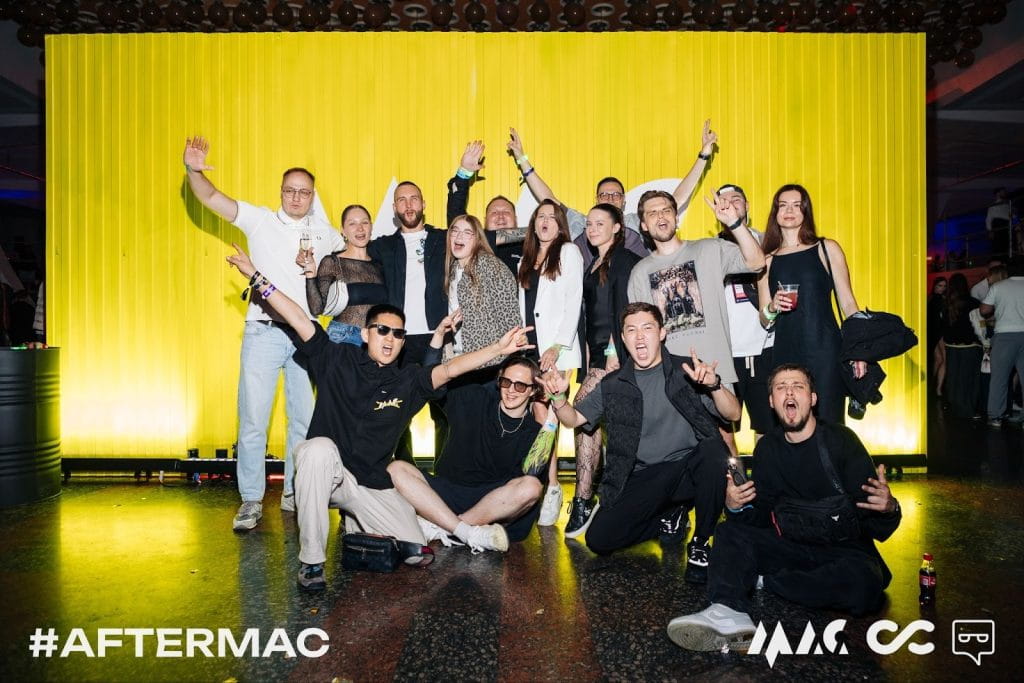
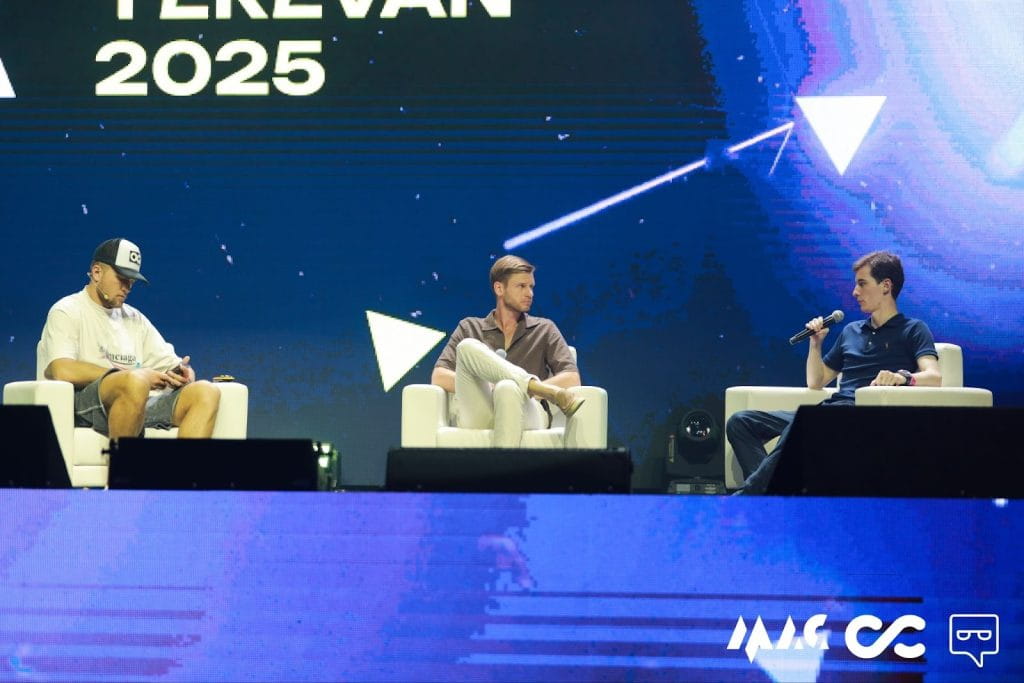
Conferences like MAC in Yerevan become critical nodes. This is not just an event. It’s a physical point where teams from around the world meet offline, share case studies, and strike real deals. 5,000+ attendees, 200 booths, hundreds of live meetings — distributed expertise turns into actionable solutions and traffic.
Klyukvin:
“Russian-speaking players targeting global markets are learning to adapt to international rules — adjusting structures, processes, and partnership approaches. Yet they maintain their image as fast, tech-savvy, risk-ready teams that invest heavily in traffic, automation, and scaling.”
MAC 2026 Yerevan - The Takeaway
The Russian-speaking school is a phenomenon that cannot be ignored. Born in the challenging conditions of the CIS, matured through testing and experimentation, it now drives global traffic, builds technology, and sets standards in affiliate marketing and iGaming.
MAC is where this power becomes tangible: teams operating across continents gather to speak a common business language — with a Russian accent.